
Најдобра оптика во Скопје
June 12, 2026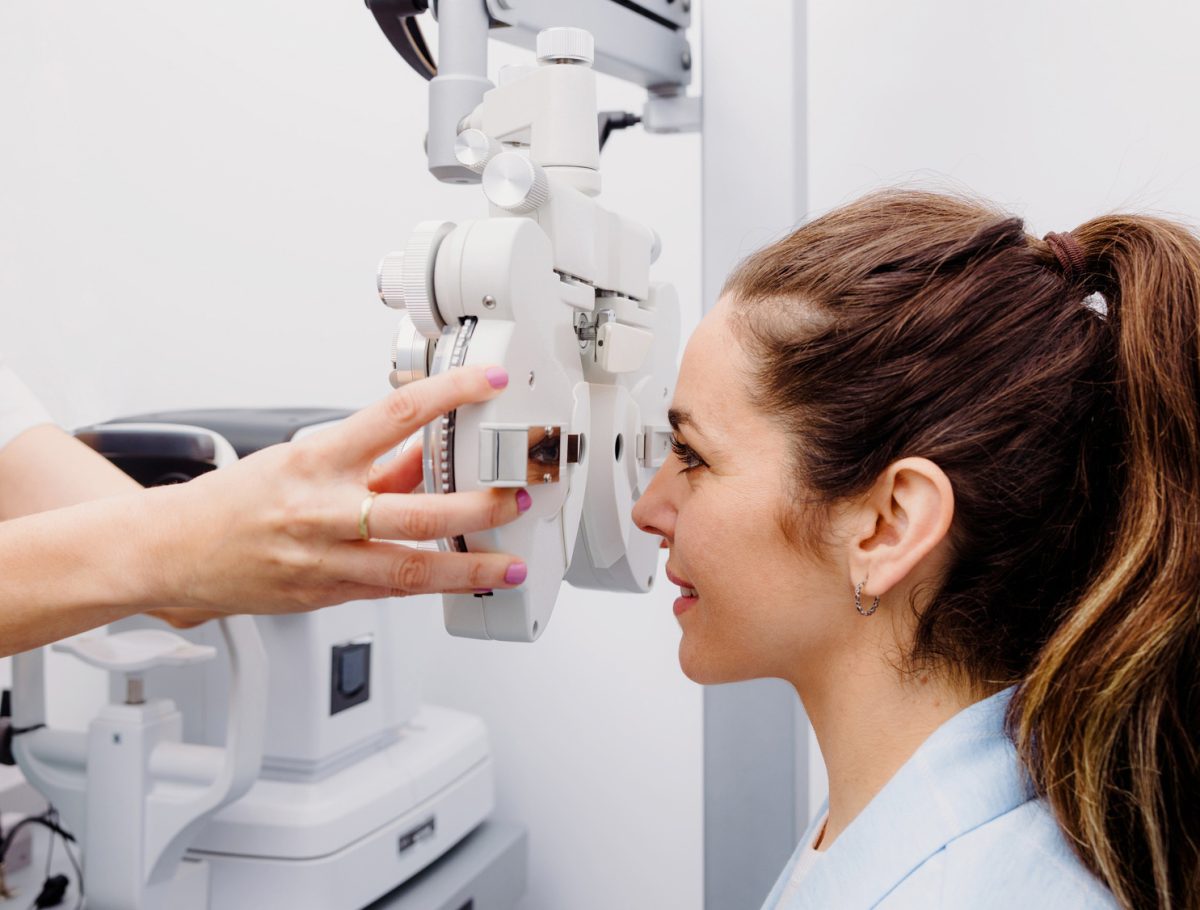
How Often Should You Have an Eye Exam? A Complete Guide for Children and Adults
Many people visit an optician only after they notice blurred vision or headaches. However, by that point, vision changes may already have been developing for months or even years. Regular eye examinations are one of the simplest ways to protect your eyesight and detect problems early.
Why are regular eye examinations important?
Your eyes change throughout your life. Even if your vision seems normal, small changes may go unnoticed because your brain gradually adapts. A professional eye examination evaluates much more than whether you need glasses. It can also reveal signs of eye diseases and, in some cases, health conditions such as diabetes or high blood pressure.
How often should adults have an eye examination?
General recommendations are:
Adults aged 18–40: every 2 years if no symptoms are present.
Adults aged 40–60: every 1–2 years.
Adults over 60: every year.
Anyone wearing glasses or contact lenses: once a year unless advised otherwise.
If you notice headaches, blurred vision, double vision, eye strain, or difficulty driving at night, schedule an examination sooner.
How often should children have their eyes checked?
Children should have regular vision assessments because many eye problems can be corrected more effectively when detected early.
A professional examination is recommended:
before starting school,
during school years according to the child’s needs,
whenever teachers or parents notice reading difficulties, squinting, or sitting very close to screens.
Signs that you may need an eye examination
Frequent headaches
Blurred vision
Difficulty reading
Eye fatigue
Squinting
Difficulty driving at night
Dry eyes
Frequent prescription changes
What happens during an eye examination?
A comprehensive examination usually includes:
Vision measurement
Refraction testing
Prescription determination
Eye coordination assessment
General eye health evaluation
Discussion of your visual needs for work, driving, reading, sports, and digital devices
Most appointments take between 20 and 45 minutes.
Can eye problems develop without symptoms?
Yes. Many common eye conditions develop gradually and without noticeable symptoms during the early stages. This is one of the main reasons regular preventive examinations are recommended.
Frequently Asked Questions
Is an eye examination painful?
No. A routine eye examination is non-invasive and painless.
Can I drive immediately afterwards?
In most cases, yes, unless eye drops affecting vision have been used.
Is an eye examination only for people who wear glasses?
No. Everyone benefits from regular eye health checks.
Can children wear contact lenses?
Depending on age, maturity, and eye health, some children can safely wear contact lenses under professional guidance.
Final Thoughts
Healthy vision plays a major role in work, learning, driving, and everyday life. Regular eye examinations help detect changes early and ensure that your vision remains as clear and comfortable as possible. Whether you already wear glasses or simply want to monitor your eye health, preventive examinations are an important part of long-term wellbeing.
Lifestyle Habits That Help Protect Your Vision
Regular eye examinations are only one part of maintaining healthy eyesight. Everyday habits also play an important role in keeping your vision comfortable and reducing unnecessary strain. Many people spend several hours each day using computers, tablets or smartphones, making it more important than ever to develop healthy visual habits.
One of the simplest recommendations is to avoid focusing on a screen for long, uninterrupted periods. Looking into the distance for a few moments allows your eye muscles to relax and can reduce feelings of fatigue. Adjusting the brightness of your screen to match the surrounding environment and ensuring that your workspace is well lit can also improve visual comfort.
Nutrition is another factor that supports long-term eye health. A balanced diet rich in leafy green vegetables, colourful fruits, fish containing omega-3 fatty acids, nuts and seeds provides nutrients that contribute to normal eye function. Staying hydrated may also help reduce symptoms of dry eyes, particularly in air-conditioned or heated environments.
When spending time outdoors, wearing quality sunglasses that provide UV protection helps protect your eyes from harmful ultraviolet radiation throughout the year, not only during summer. People who drive frequently should also consider sunglasses designed to reduce glare and improve visual comfort on bright days.
Finally, remember that your vision needs may change over time. A prescription that was perfect two years ago may no longer provide the clearest or most comfortable vision today. Even small changes can affect reading, computer work, driving and overall quality of life. Combining healthy daily habits with regular professional eye examinations is one of the best ways to maintain clear vision for years to come.
TAGS:
